

Dec 10, 2025
Transforming Education in South Africa: The Role of Technology
Transforming Education in South Africa: The Role of Technology
Education in South Africa has long been a cornerstone of national development, yet it faces significant hurdles that hinder equitable access and quality learning for all. With a diverse population and varying socioeconomic conditions, the system grapples with issues like infrastructure gaps, resource shortages, and unequal opportunities between urban and rural areas. However, technology is emerging as a powerful catalyst for change, bridging divides and fostering inclusive education. This blog explores the current state of education in South Africa, the challenges it encounters, and how tech-driven initiatives are providing solutions to educate and empower people across the nation.
The Challenges Facing South African Education
South Africa's education system, while progressive in policy, struggles with deep-rooted inequalities stemming from historical legacies and modern constraints. Key challenges include:
Access and Infrastructure Gaps: Many schools, especially in rural areas, lack basic facilities, including reliable electricity and internet connectivity. This digital divide exacerbates inequalities, leaving millions of learners without access to online resources.
Resource and Training Shortages: Educators often face a lack of training in digital tools, compounded by insufficient devices and high costs of internet access. This results in low adoption rates of e-learning, even where infrastructure exists.
Quality and Equity Issues: Post-COVID-19, the shift to virtual learning highlighted disparities, with urban students faring better than their rural counterparts. Language barriers and outdated curricula further complicate effective teaching. Additionally, secondary education systems in Sub-Saharan Africa, including South Africa, deal with broader problems around access, quality, and equity.
These challenges not only affect student outcomes but also limit the country's ability to build a skilled workforce for the digital economy.
Technology as a Solution: Key Initiatives
Fortunately, South Africa is actively embracing technology to overhaul its education landscape. The government and private sectors have launched several initiatives to integrate digital tools, making learning more accessible and engaging.
Government-Led Programs: The Department of Basic Education's e-Education White Paper from 2004 laid the foundation for digital equity, emphasizing ICT integration in schools. More recently, commitments like extending digital access to schools by Ministers Gwarube and Malatsi aim to provide infrastructure and connectivity. The National e-Strategy focuses on developing ICT skills and school infrastructure.
Private and International Partnerships: Organizations like Microsoft are skilling one million people in AI and digital technologies by 2026, targeting educators and students. Initiatives such as Huawei's DigiSchool project promote digital literacy in schools.
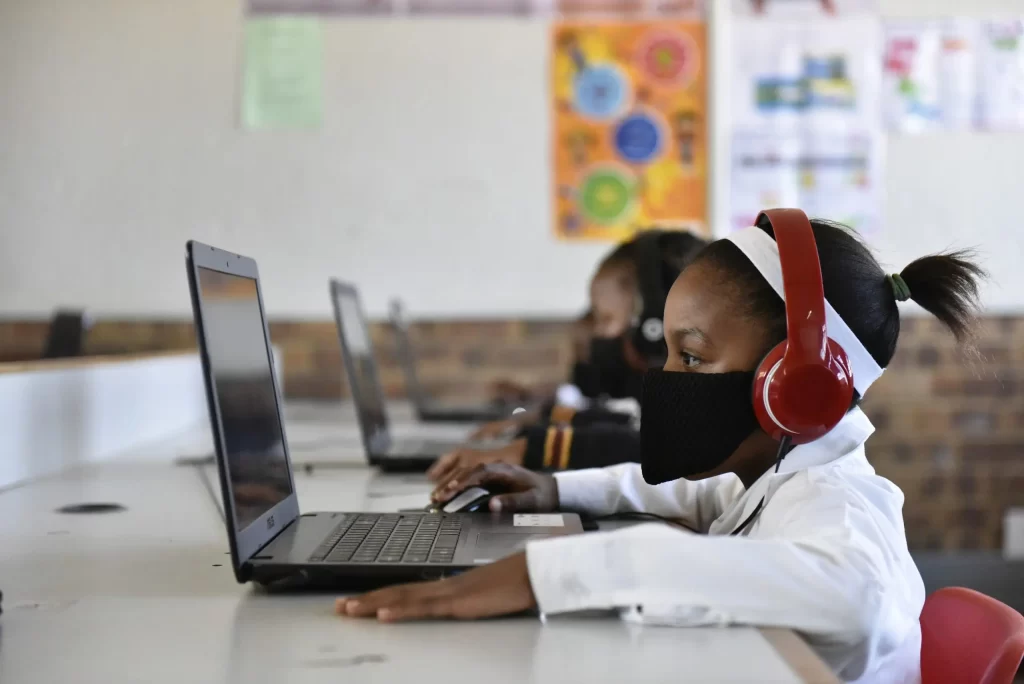
Empowering Tomorrow's Tech Leaders: Fostering Digital Literacy in ...
The World Bank and others are working to bridge the digital skills gap among Africa's youth.
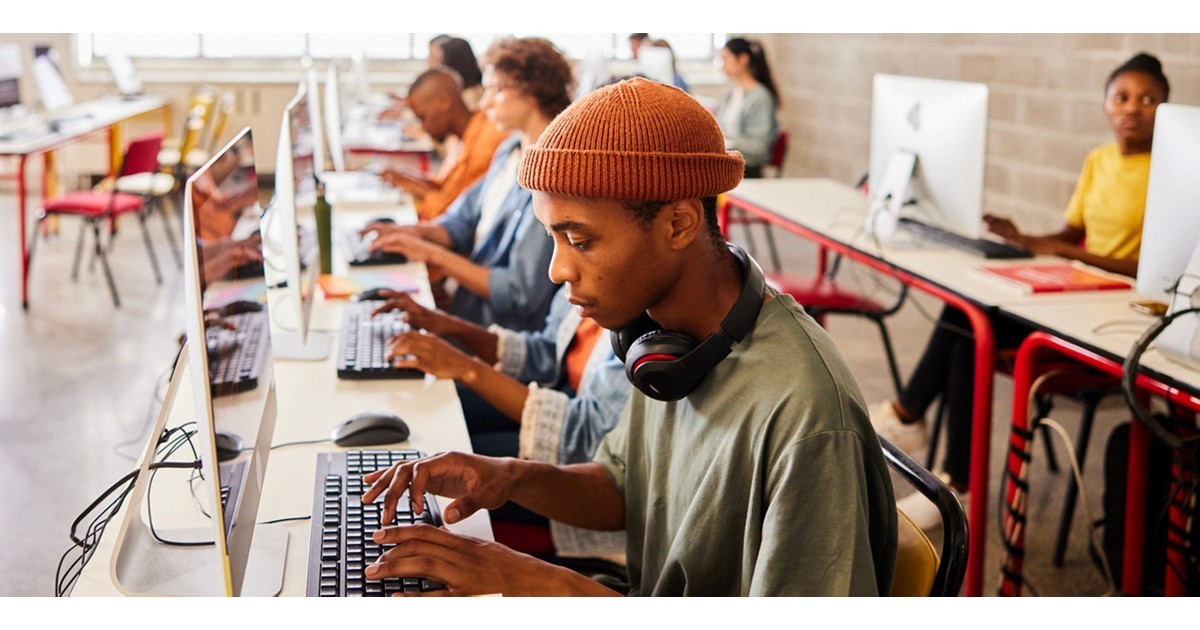
Empowering Africa's Youth: Bridging the Digital Skills-afe-Gap
Innovative Tools and Trends: Digital learning platforms, educational apps, and online resources are on the rise. For instance, universities are adopting technology-based education to enhance research and address societal challenges. Trends include AI-driven personalized learning, virtual classrooms, and mobile apps that make education accessible even in remote areas.
These efforts are not just about gadgets; they're about creating inclusive environments where technology helps overcome barriers.
Real-World Examples and Impact
To see tech in action, consider these examples:
E-Learning During COVID-19: The pandemic accelerated the adoption of online methods, with the government providing e-learning solutions to ensure continuity. While challenges like inclusivity arose, it demonstrated tech's potential to keep education going amid disruptions.
University Transformations: South African universities are leveraging cloud services like AWS to tackle administrative issues and improve learning experiences. This includes data analytics for better student support and research collaboration.
Community-Driven Projects: Initiatives like those from UNESCO emphasize technology's role in empowering Africa by bridging the digital divide and promoting digital literacy. In classrooms, students are using laptops and tablets for interactive learning, fostering skills for the future job market.
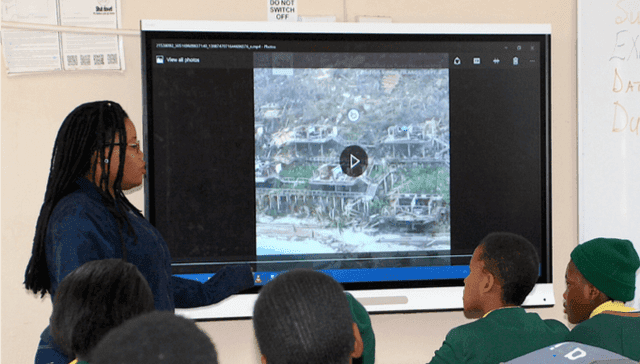
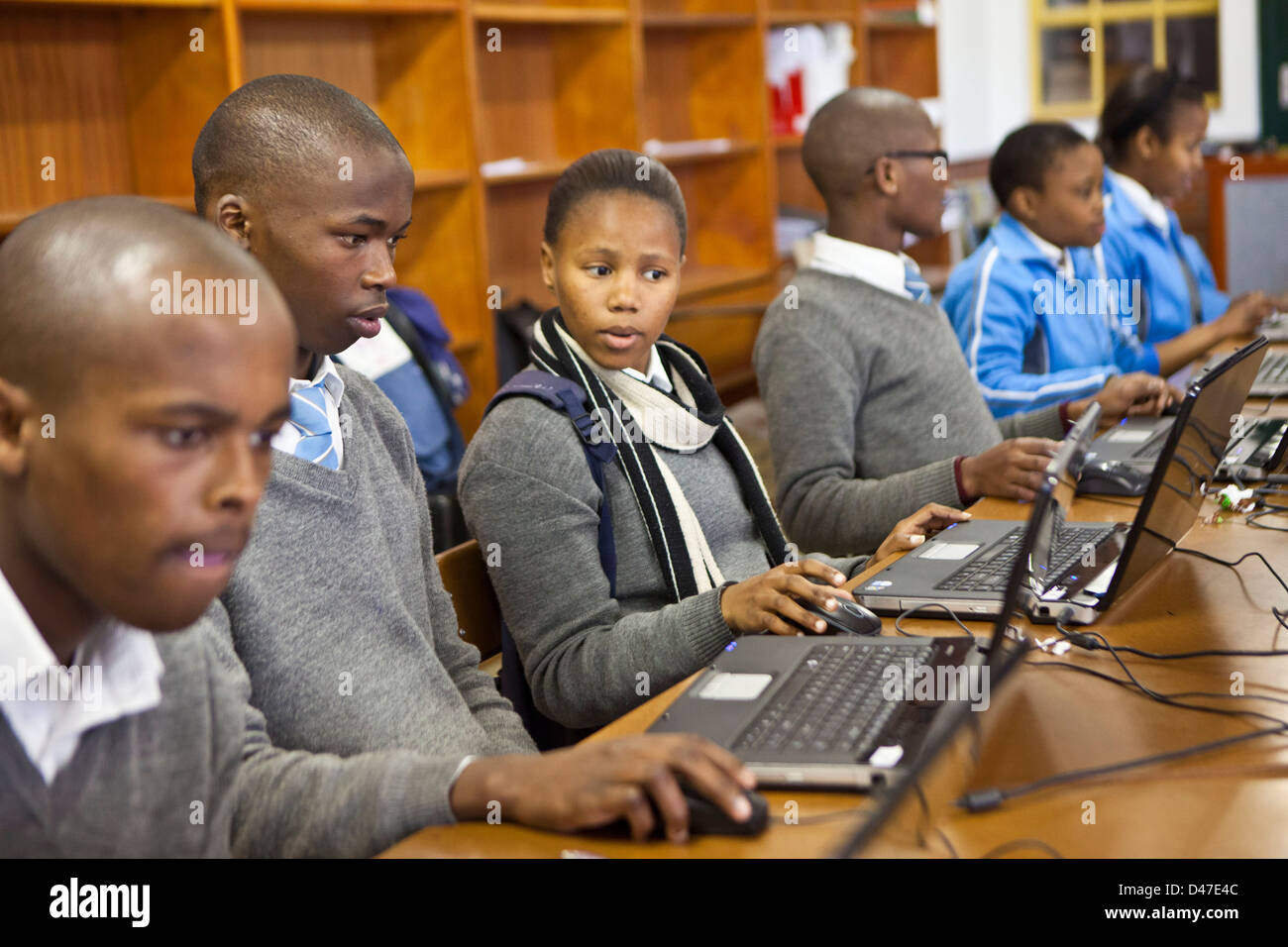
By integrating tech, these programs are helping to educate underserved communities, improve teacher capabilities, and prepare students for a tech-driven world.
How You Can Get Involved and Learn More
The goal here is to educate and help—whether you're a teacher, student, parent, or policymaker. Start by exploring free online resources:
Visit the Department of Basic Education's website for e-learning tools and guidelines.
Check out Microsoft's AI skilling programs to upskill yourself or your community.
Join initiatives like the World Bank's digital skills projects for broader African context.
Visit LearnSA TO GET MORE FREE EDUCATION.
Technology isn't a silver bullet, but with continued investment and collaboration, it can transform South Africa's education system into one that's equitable, innovative, and empowering. What are your thoughts on tech in education?